


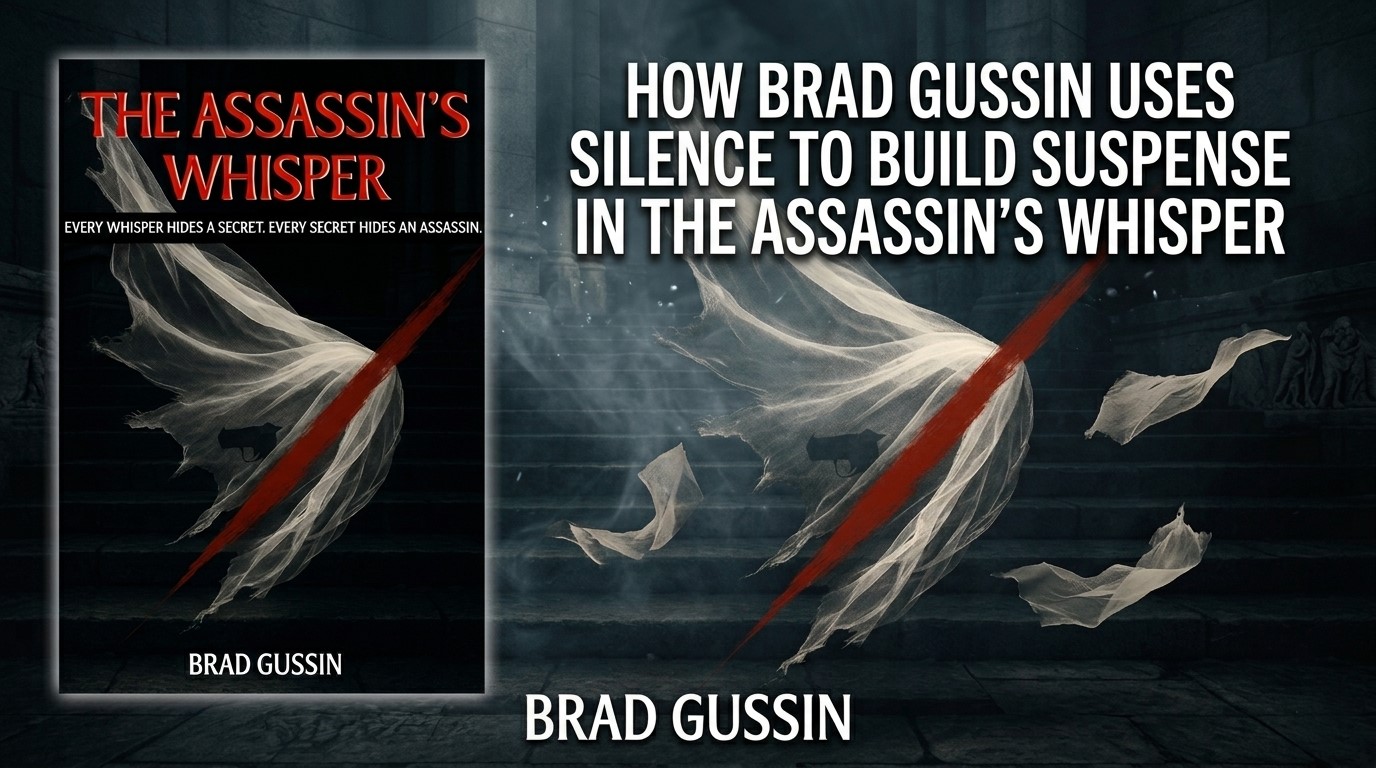
In many thrillers, suspense is created through speed. Fast chases. Sudden violence. Constant danger. In The Assassin’s Whisper, author Brad Gussin takes a very different path. He uses silence as one of his strongest tools.
Instead of overwhelming readers with action, Brad Gussin allows tension to grow slowly. Quiet moments matter. What is not said often feels more important than what is spoken. This approach gives the novel a unique atmosphere that stays with the reader.
Silence as a Storytelling Choice
Silence in The Assassin’s Whisper is never empty. Brad Gussin uses it to signal danger, hesitation, and control. A pause in dialogue. A delay before a response. A thought left unfinished. These moments create anticipation.
Readers sense that something important is about to happen, even when the page is calm. This makes the experience more engaging because the reader becomes alert, watching closely for small changes.
By trusting silence, Brad Gussin shows confidence in his storytelling. He does not rush to explain everything. He allows readers to connect the dots.
Scott Edwards and the Weight of Quiet Decisions
The main character, Scott Edwards, is shaped by silence. As a Whisperer, his power lies in subtle influence. He does not announce his actions. He places ideas carefully and waits.
Brad Gussin presents Scott as someone who understands timing. Acting too early can expose him. Acting too late can cause harm. Silence becomes a form of discipline.
This creates strong inner tension. Scott often knows what he can do, but chooses not to act immediately. Readers feel the pressure of these choices. The quiet moments become heavy with responsibility.
Conversations That Carry Hidden Meaning
Dialogue in The Assassin’s Whisper often works on two levels. What characters say openly is only part of the message. What they avoid saying can be just as important.
Brad Gussin designs conversations where tone, timing, and context matter. A simple sentence can hide a warning. A polite exchange can signal danger.
This makes interactions feel realistic. In real life, people rarely speak openly about power or control. The novel reflects this truth, making the story more believable.
Suspense Without Constant Action
Action scenes exist in The Assassin’s Whisper, but they are not constant. Brad Gussin uses them carefully. When action occurs, it feels earned and meaningful.
Because much of the tension is built quietly, moments of action stand out more. They feel intense rather than routine. Readers understand what led to these moments and why they matter.
This balance prevents exhaustion. The story remains engaging without overwhelming the reader.
The Role of Observation
In the novel, observation is an important skill. Scott and the other characters are paying close attention. They see patterns, reactions, and small changes in how people act.
Brad Gussin says that understanding people is what gives you power. People who pay attention gain power. Those who act without awareness make mistakes.
This emphasis on observation encourages readers to take their time. It makes you pay attention to the details and read carefully.
A World Where Staying Quiet Means Staying Alive
In the world of The Assassin’s Whisper, talking too much can be risky. Secrets keep people safe. Only when it’s needed is information shared.
Brad Gussin shows how silence can help you stay alive. People who tell too much about themselves put themselves in danger. People who stay in control live longer.
This makes you feel like you’re always at risk. Even safe times don’t last long. Readers know that danger can come out of nowhere.
Simple Words, Big Impact
Brad Gussin writes in a way that is clear and easy to understand, even though he talks about complicated ideas. Writing that is hard to understand does not make people quiet. It comes from how things are put together and how fast they move.
It’s easy to understand the sentences. The scenes are easy to follow. This lets readers pay attention to the meaning instead of trying to figure out what the words mean.
The language is simple, which makes the quiet parts more powerful.
Why This Method Works
Brad Gussin use of silence works because it shows respect for the reader. It requires focus and patience. It doesn’t make you feel anything; it lets you feel it grow on its own.
This method gives the book a grown-up and deep feel. It also makes the suspense seem more real. Dangerous things often happen without warning.
Readers feel uneasy in a good way. They know that control can be there even if you can’t see it.
Who Will Like This Style
The Assassin’s Whisper is a good book for people who like thrillers that make them think. People who like mood, deep characters, and psychological tension will enjoy this way of doing things.
It is especially appealing to readers who like meaning over noise and depth over speed.
Last Thoughts
Brad Gussin shows in The Assassin’s Whisper that silence can be stronger than action. He builds suspense that feels real and lasts by letting quiet moments hold tension.
The book reminds readers that the most dangerous things often happen without making a sound. Power doesn’t always make itself known. It sometimes waits quietly for the right time.