


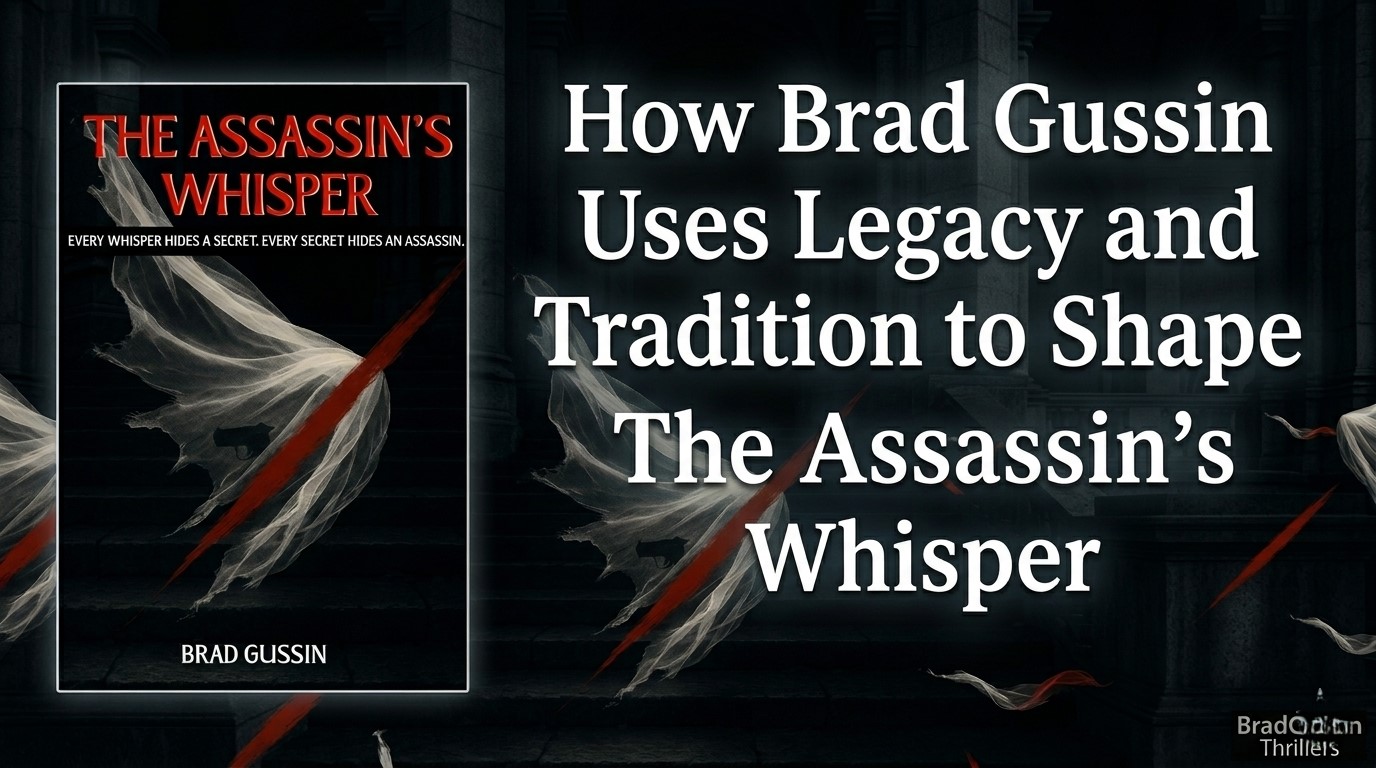
In The Assassin’s Whisper, author Brad Gussin shows that power does not appear suddenly. It is built over time, shaped by tradition, discipline, and responsibility. One of the strongest elements of the novel is how legacy influences every major event and decision.
Rather than focusing only on the present, the story constantly reminds readers that the past is never truly gone. What was learned, hidden, or protected years ago continues to affect the world today.
Power Passed Down, Not Discovered
In a lot of stories, characters find power by chance. Power is passed down from one person to another in The Assassin’s Whisper. People who whisper learn how to do it from a young age. Their skills are not gifts to enjoy, but duties to fulfill.
Brad Gussin says that this inheritance is a heavy burden. People share what they know carefully. People don’t easily forgive mistakes. People expect each generation to take care of what they get.
This method gives the story more weight. Power feels like something you’ve worked for and can control, not something that’s easy to get.
Discipline is shaped by tradition.
Whisperers act in a certain way because of tradition. Brad Gussin shows that rules are there for a reason. Discipline stops power from going out of control.
Whisperers know when to stay quiet. Training includes being quiet. Strength is less important than restraint. These customs help keep people from abusing and exposing themselves.
This emphasis on discipline sets Whisperers apart from people who misuse power. It also tells us why some people live and others die.
Scott Edwards and the Burden of Duty He Inherited
Scott Edwards has more than just skill. He carries hope. Brad Gussin writes Scott as someone who has been influenced by people who came before him.
Scott knows that what he does has an effect on a bigger history. He doesn’t just do things for himself. He does what he does knowing that failure could hurt everything his predecessors worked hard to protect.
This inherited responsibility adds stress to your emotions. Scott’s choices are not solely personal. They are tied to a legacy he didn’t choose but has to live up to.
Family as an Influencer
The family is an important part of the story. Brad Gussin shows that trust, teaching, and loyalty all start at home.
Some characters are helped along by strong mentors. Some people are hurt by their family’s failure. These early experiences change how they think about power and control.
The story hits home more because of family ties. Readers see how personal relationships can have big effects on the world.
The Past Affects the Present Conflict
Brad Gussin links current conflict to past choices throughout The Assassin’s Whisper. Secrets that were kept a long time ago still affect danger today.
Old friendships are important. Trust that has been broken comes back with consequences. The past doesn’t stay hidden.
The way this story is set up makes it seem real. History often has an effect on things that people don’t expect. This truth is clear in the novel.
People Who Don’t Follow Tradition
Some characters don’t care about legacy. Brad Gussin compares Whisperers who follow rules to those who don’t.
These enemies want to take control quickly instead of slowly. They do things without thinking about what will happen next.
This difference shows why tradition is important. Without structure, power leads to chaos. This is shown over and over in the story.
Tradition as a Shield
Tradition in The Assassin’s Whisper isn’t just about control. It’s about being safe.
There are rules that keep knowledge from getting out. Silence saves lives. Discipline keeps you from getting hurt. Brad Gussin shows tradition as a shield instead of a cage.
This point of view makes the story more balanced. Tradition isn’t perfect, but it does have a purpose.
Writing Clearly Helps with Complicated History
Brad Gussin talks about history and tradition in a way that is easy to understand. The writing is still easy to follow, even when it talks about things that happened in the past.
There is never too much information for readers to handle. Character memory and action naturally show us history.
This clarity makes the story interesting and easy to understand.
Why Legacy is Important to Readers
Many readers know what legacy means. In real life, people pass down values, expectations, and responsibilities. Brad Gussin uses this shared experience as the basis for his story.
Readers might think about what they got from their parents and how it affects the choices they make. This gives the book a personal touch.
Who Will Like This Theme
People who like stories with many layers will like this part of The Assassin’s Whisper. People who care about family, tradition, and duty will find it meaningful.
It is especially interesting to people who like stories where the past has a direct effect on the present.
Last Thoughts
Brad Gussin book The Assassin’s Whisper shows that power is never alone. Tradition shapes it, discipline guides it, and legacy carries it on.
The novel becomes more real and interesting by adding history to the story. Readers are reminded that every choice they make is connected to something bigger than the present.